
Designer Furniture
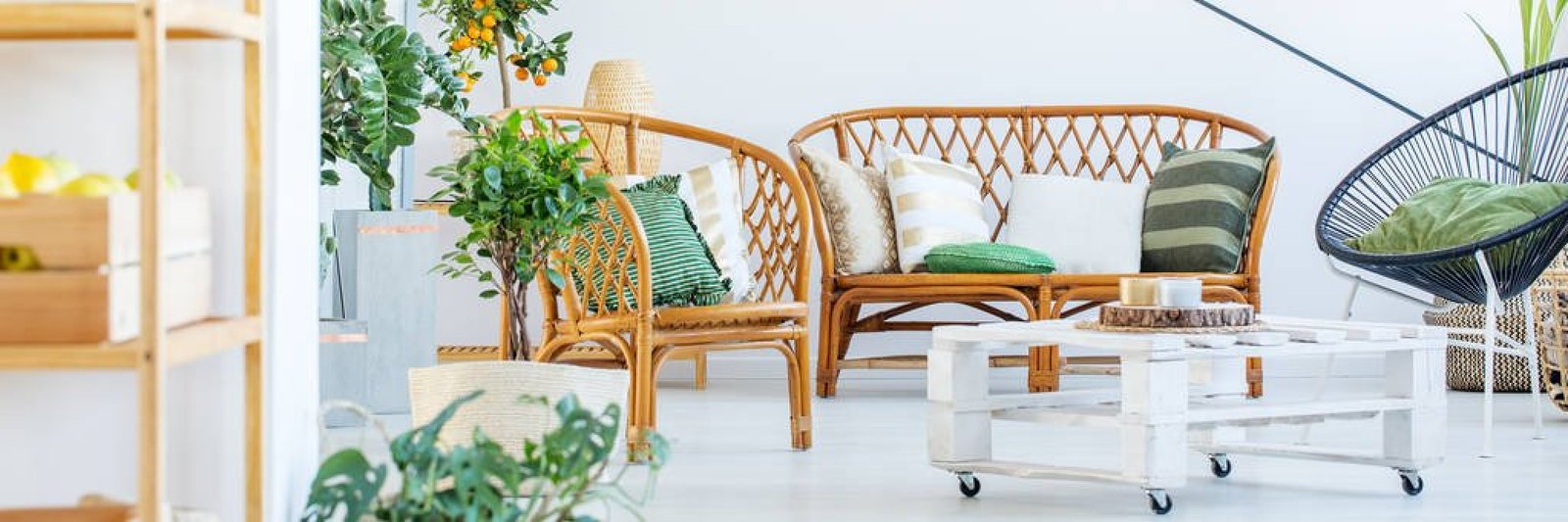
Service Description
Furniture should do more than occupy a room. Its proportions, storage capacity, materials, finishes, and placement can influence how comfortably a space works every day. Saar Interiors provides designer furniture solutions for homes, offices, and commercial spaces where standard pieces may not suit the dimensions, layout, or intended use.
Each piece can be planned around the space it occupies, whether it is a wardrobe for an apartment bedroom, a media unit for a living room, a reception desk for an office, or storage designed around a particular wall. The focus is on practical proportions, appropriate materials, useful storage, and a visual relationship with the surrounding interiors.
What Is Designer Furniture?
Designer furniture refers to furniture that is considered as part of the overall space rather than selected as an isolated product. Its dimensions, form, material, colour, finish, and functionality are developed with the room and its requirements in mind.
This becomes particularly useful when a ready-made piece leaves awkward gaps, provides insufficient storage, interferes with circulation, or does not work with the existing interior design. A carefully planned piece can make better use of available space while maintaining a consistent design language.
Depending on the project, designer furniture may include wardrobes, TV units, beds, sideboards, study units, display cabinets, bookshelves, consoles, office workstations, reception furniture, storage systems, and other customised pieces.
Furniture Designed Around the Space
Accurate Measurements and Proportions
Good furniture starts with accurate dimensions. Wall lengths, ceiling height, door and window positions, electrical points, skirting, columns, and other fixed elements can affect the final design.
A wardrobe, for example, needs enough clearance for doors or drawers to operate comfortably. A study unit should provide an appropriate working height while leaving enough space for a chair and movement. Similarly, a media unit needs to accommodate equipment, wiring, ventilation requirements, and the viewing position rather than simply filling an empty wall.
Function Before Decoration
The appearance of furniture matters, but its everyday usability matters just as much. Storage should be accessible, drawers should be positioned according to what they hold, shelves should have useful dimensions, and frequently used items should not be placed in inconvenient locations.
These decisions are especially important in urban apartments, where furniture often needs to perform several functions within a limited footprint. A well-planned storage unit may combine open display areas with concealed storage, while a compact study can incorporate shelves and cabinets without making the room feel crowded.
Materials and Finishes
Material selection affects durability, maintenance, appearance, and cost. The appropriate choice depends on where the furniture will be used and how frequently it will be handled.
- Board and panel materials: Selected according to the furniture’s application, construction requirements, and budget.
- Surface finishes: Options such as laminates, veneers, paints, or other finishes can provide different visual and maintenance characteristics.
- Hardware: Hinges, drawer channels, handles, lift mechanisms, and other fittings influence everyday operation.
- Glass and metal elements: These can be incorporated where the design requires visual lightness, display, or a particular functional feature.
- Edge and detailing: Small construction details contribute to both the finished appearance and long-term usability.
Rather than selecting materials only for their appearance, the decision should consider cleaning, moisture exposure, frequency of use, expected wear, and the surrounding interior finishes.
Designer Furniture for Different Spaces
Residential Furniture
For homes, furniture can be developed according to the needs of individual rooms. Living rooms may require media units, consoles, bookshelves, or display storage, while bedrooms often need wardrobes, beds, bedside units, dressing areas, or study furniture.
In smaller apartments, combining functions can be useful. A storage wall may incorporate a TV unit, display niches, cabinets, and concealed storage in one composition. The aim is to use the available wall or floor area efficiently without making the room unnecessarily heavy.
Office Furniture
Office furniture needs to support how people actually work. Workstations, storage, meeting tables, reception desks, manager cabins, and collaborative areas may require different dimensions and configurations.
Ergonomics, cable management, circulation, equipment requirements, maintenance, and durability become important considerations alongside the visual character of the workplace.
Commercial and Retail Furniture
Retail and commercial spaces may require counters, display units, shelving, storage, reception furniture, or other purpose-built elements. Here, furniture needs to work with customer movement, staff operations, product visibility, and the identity of the space.
The Saar Interiors Approach to Designer Furniture
Understanding the Requirement
The first step is understanding what the furniture needs to accomplish. Storage requirements, user habits, room dimensions, preferred appearance, existing interiors, and budget priorities help determine the direction.
Site Assessment and Measurement
Where applicable, the site is assessed before detailed furniture planning. Measurements and existing conditions help avoid problems such as furniture obstructing doors, covering service points, leaving unusable gaps, or conflicting with other interior elements.
Design Development
The furniture is developed according to its intended use and relationship with the surrounding space. Proportions, storage divisions, materials, finishes, hardware, lighting integration, and other relevant details can be considered at this stage.
Material and Finish Selection
Materials are selected with consideration for appearance, durability, maintenance, availability, and project budget. The objective is not simply to choose attractive finishes but to select options that make sense for the furniture’s actual use.
Production and Installation Coordination
Once the design and specifications are agreed, fabrication and installation need to follow the planned dimensions and detailing. Site conditions may require practical adjustments, particularly when furniture is being fitted into an existing property.
Saar Interiors can coordinate relevant furniture execution as part of the agreed project scope, with attention to measurements, installation, finishes, and integration with other interior work.
How Designer Furniture Can Improve a Space
Customised furniture is not necessarily about adding more furniture. In many projects, the better solution is to make fewer pieces work more effectively.
- Better use of difficult spaces: Furniture can be designed around corners, niches, columns, sloping areas, or unusual wall dimensions.
- More relevant storage: Shelves, drawers, and cabinets can be planned according to the items the user actually needs to store.
- Cleaner visual continuity: Furniture finishes can be coordinated with flooring, walls, doors, lighting, and other interior elements.
- Improved circulation: Proper proportions help preserve comfortable movement around the furniture.
- Integrated functionality: Lighting, wiring, appliances, display areas, and storage can sometimes be incorporated into a single furniture design.
Designer Furniture Layouts
The layout has a varied mix of apartments, villas, offices, commercial developments, and business spaces. Furniture requirements can therefore change considerably from one property to another.
An apartment may have very different space constraints from a larger residence, while an office in Cyber may prioritise workstations, meeting areas, storage, and cable management. Commercial properties can similarly require furniture that supports both appearance and daily operations.
Projects in Manesar may involve larger spaces or different planning requirements, but the same principle applies: furniture should be designed around the actual property rather than forced into it. Local site conditions, access, measurements, material availability, and coordination with other contractors can all influence execution.
For projects, a site-aware approach is equally important when furniture needs to integrate with an existing interior or a larger turnkey project.
Why Consider Saar Interiors for Designer Furniture?
Furniture works best when it is considered alongside the interior rather than added at the end. Saar Interiors approaches furniture planning with attention to both the individual piece and the space around it.
- Personalised design: Furniture can be planned around specific dimensions, storage requirements, and functional needs.
- Practical proportions: Dimensions are considered in relation to circulation, access, and everyday use.
- Thoughtful material selection: Materials and finishes are considered for their intended application, maintenance, and budget.
- Interior integration: Furniture can be coordinated with the broader design direction, including finishes, lighting, and other elements.
- Site-aware execution: Measurements and actual property conditions are considered during planning and installation.
- Clear communication: Requirements, design decisions, materials, and scope can be discussed before execution progresses.
For clients planning a broader residential interior, designer furniture can also be developed as part of a coordinated residential interior design project.
Where a project requires furniture along with multiple interior execution activities, turnkey interior projects may also be relevant.
Who is Designer Furniture Suitable For?
Designer furniture can be useful for homeowners who want better use of available space, apartment owners dealing with specific room dimensions, villa owners looking for coordinated furniture, and office or commercial property owners with particular operational requirements.
It is also worth considering when ready-made furniture does not provide the right dimensions, storage arrangement, finish, or functionality. A customised approach can be particularly practical when several furniture pieces need to work together as part of a single interior scheme.
Frequently Asked Questions
What types of designer furniture can Saar Interiors provide?
Depending on the project, furniture can include wardrobes, beds, TV units, study units, bookshelves, consoles, storage cabinets, display units, office furniture, reception desks, workstations, and other customised pieces.
Can furniture be customised according to my room dimensions?
Yes. Dimensions, proportions, storage divisions, materials, finishes, and functional details can be planned around the available space and intended use.
Is designer furniture suitable for small apartments?
Yes. Smaller spaces can particularly benefit from furniture that uses available wall and floor areas efficiently while preserving circulation and providing appropriately sized storage.
How do I choose the right material for furniture?
The choice depends on where the furniture will be used, expected wear, moisture exposure, maintenance requirements, preferred appearance, and budget. Material selection should follow the functional requirement rather than appearance alone.
Can furniture be matched with my existing interiors?
Yes. New furniture can be planned around existing flooring, wall finishes, doors, lighting, colours, and other interior elements so that it fits naturally into the space.
Can Saar Interiors coordinate furniture installation?
Furniture production and installation can be coordinated according to the agreed project scope, including relevant site measurements, material specifications, finishing, and installation requirements.
Plan Your Designer Furniture
If you are furnishing a new home, updating an existing interior, setting up an office, or planning furniture for a commercial space, start with the space and how you intend to use it. Accurate measurements, practical storage requirements, suitable materials, and coordinated detailing can make the finished furniture much more useful.
Share your requirements with Saar Interiors to discuss customised furniture options, material choices, design direction, and the practical execution approach for your space.
Other Services
Thoughtful solutions according to your space, lifestyle, needs, and everyday comfort.
- designer furniture
- custom furniture
- customised furniture
- furniture designers
- bespoke furniture
- custom furniture for home
- office furniture design
- designer furniture