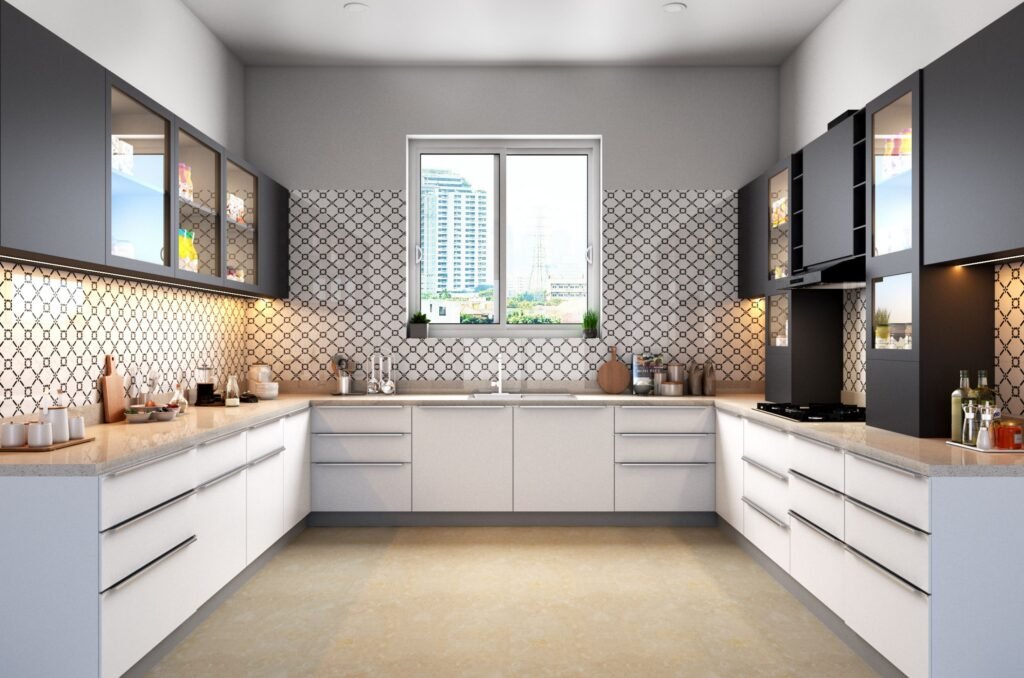

Planning an interior is exciting, but turning a design idea into a finished space involves much more than selecting colours, furniture and finishes.
There are drawings to finalise, materials to source, measurements to check, contractors to coordinate, furniture to install and countless small decisions to manage along the way.
This is where turnkey interior execution can make the process simpler.
Instead of managing multiple vendors and contractors yourself, a turnkey interior service brings the major stages of the project together under one coordinated process — from design and material selection to execution and final finishing.
But what exactly does turnkey execution include, and why does it matter?
Let’s take a closer look.
What Does Turnkey Interior Execution Mean?
Turnkey interior execution means managing an interior project as a complete process rather than treating every part of the work as a separate job.
Depending on the project and scope, this can include:
- Interior design and planning
- Space planning
- Material selection
- Civil and finishing work
- Electrical and lighting work
- Plumbing coordination
- Modular kitchen installation
- Wardrobes and storage
- Custom furniture
- Painting and wall finishes
- Flooring and ceiling work
- Décor installation
- Site coordination
- Final finishing and handover
The exact scope depends on the project agreement, but the basic idea remains the same: the client has one coordinated team responsible for bringing the planned interior together.
Why Is Turnkey Execution Different From Hiring Multiple Contractors?
Without turnkey execution, a homeowner may need to coordinate a carpenter, electrician, painter, plumber, false-ceiling contractor, modular kitchen company, furniture vendor and several other professionals.
Each person may have their own schedule and priorities.
This can create problems when one stage depends on another.
For example, electrical work may need to be completed before certain walls or ceilings are finished. Furniture measurements may depend on flooring or wall finishes being completed. A modular kitchen installation may need to coordinate with electrical points, plumbing and appliances.
With a turnkey approach, these stages can be planned as part of one overall project.
The goal is not simply to have fewer vendors. It is to have better coordination between the different parts of the project.
1. One Team, One Coordinated Process
One of the biggest advantages of turnkey interior execution is having a central team coordinating the project.
Instead of repeatedly communicating with different contractors, the client has a clearer point of contact for project-related decisions.
This can make communication easier, especially when several activities are happening at the same time.
A coordinated team can also identify dependencies between different stages before they become problems.
2. Better Coordination Between Design and Execution
A beautiful design on paper still needs to work on site.
Dimensions, materials, electrical points, lighting positions, furniture proportions and storage requirements all have to come together during execution.
When design and execution are handled as connected stages, the team can work with a better understanding of the original design intent.
This can reduce the gap between what was planned and what is eventually built.
3. Easier Material Management
Interior projects involve many materials and products.
Depending on the scope, this could include laminates, hardware, tiles, flooring, lighting fixtures, paint, fabrics, sanitary fittings, kitchen accessories and furniture materials.
Managing these individually can become time-consuming.
A turnkey execution team can coordinate material selection, procurement and delivery according to the project schedule.
This does not mean every project will be free from delays, but proper coordination can make material management considerably more organised.
4. Clearer Project Responsibility
When multiple contractors are involved, it can sometimes become difficult to determine who is responsible for a particular issue.
For example, if a cabinet does not fit correctly or a finish does not match the approved design, the client may have to coordinate between different vendors.
With a turnkey arrangement, responsibility for coordinating the relevant work generally sits with the appointed execution team, according to the agreed scope.
This gives the client a clearer project structure.
5. Better Control Over Design Details
Interior design is often about small details.
The alignment of panels, the height of a shelf, the position of a light, the finish of a cabinet or the proportions of a furniture piece can influence how the finished space looks.
A turnkey team can keep these details connected to the approved design throughout the execution process.
Regular site coordination and quality checks can help ensure that the final work stays aligned with the design plan.
6. Less Day-to-Day Coordination for the Client
One of the main reasons homeowners choose turnkey interior services is convenience.
Managing a complete interior project yourself can require considerable time.
You may need to answer calls, visit suppliers, compare materials, coordinate deliveries, follow up with contractors and monitor site progress.
A turnkey approach can reduce the amount of day-to-day coordination required from the client.
You still remain involved in important decisions, but the project management responsibility is more structured.
7. A More Organised Project Timeline
Interior projects consist of several interconnected stages.
A typical project may move through:
Design → Approvals → Material Selection → Procurement → Site Preparation → Execution → Installation → Finishing → Handover
The exact sequence can vary depending on the project.
The important thing is that the stages are planned in relation to one another.
Good scheduling helps prevent situations where one contractor arrives before the site is ready or materials are delivered before there is a suitable place to install them.
What Does a Turnkey Interior Project Usually Include?
There is no single standard package for every interior project.
The scope should always be clearly defined before work begins.
Depending on your requirements, a turnkey interior project may include:
Design & Space Planning
The process begins with understanding the property, lifestyle, requirements and preferred design direction.
Layouts, furniture positions, storage requirements, lighting and other design elements are then planned accordingly.
Civil & Finishing Work
Depending on the project, this may include flooring, wall treatments, ceiling work, painting and other site modifications.
Electrical & Lighting
Electrical points and lighting positions need to be coordinated with furniture, ceiling design and the overall layout.
Modular Kitchen
Kitchen planning can include cabinet layouts, storage, hardware, finishes, countertops and appliance coordination.
Furniture & Storage
Wardrobes, TV units, storage cabinets, beds, tables and other furniture can be planned according to the space.
Décor & Final Styling
The final stage can include selected décor elements, furnishings, lighting fixtures and other details that complete the interior.
Is Turnkey Interior Execution Suitable for Every Home?
Turnkey execution can be useful for many types of projects, including:
- New apartments
- Renovation projects
- Villas
- Independent homes
- Offices
- Retail spaces
- Hospitality interiors
- Commercial spaces
However, not every project needs a complete turnkey service.
If you only need a design consultation or a specific piece of furniture, a full turnkey package may not be necessary.
The right approach depends on the size, complexity and scope of your project.
What Should You Check Before Choosing a Turnkey Interior Company?
Before hiring a turnkey interior design company, do not focus only on the design images shown in their portfolio.
Ask practical questions about the complete project.
Understand the Scope
Make sure you know exactly what is included and what is excluded.
Ask About Materials
Confirm the materials, finishes, hardware and brands or specifications wherever relevant.
Understand the Timeline
Ask how the project will be scheduled and what the expected completion period is.
Discuss Communication
Know who will be your primary point of contact during the project.
Review the Payment Structure
Understand the payment stages and what each payment covers.
Ask About Site Supervision
Find out who will coordinate the work and monitor execution at the property.
Get Everything in Writing
The final scope, materials, specifications, costs, timelines and responsibilities should be documented clearly.
This protects both the client and the execution team from misunderstandings later.
Turnkey Interior Execution in Ghaziabad
For homeowners planning interiors in Ghaziabad, turnkey execution can be particularly useful when a project involves several interconnected services.
A new apartment or villa may require interior design, modular kitchen, wardrobes, custom furniture, electrical work, lighting, décor and finishing to come together within the same project.
Managing all of these independently can take considerable time.
A coordinated turnkey interior approach allows the design and execution stages to work together, giving the homeowner a more structured way to manage the project.
Is Turnkey Interior Execution More Expensive?
Not necessarily.
The overall cost depends on the scope, materials, finishes, size of the property, design complexity, furniture requirements and execution standards.
A turnkey service may appear more expensive than hiring an individual contractor for one specific task because it covers a much broader scope.
However, comparing only individual service prices can be misleading.
A more useful comparison is to look at the complete project cost, inclusions, quality, coordination and level of responsibility being provided.
A clear quotation and detailed scope of work can help you understand what you are actually paying for.
Turnkey Interior Execution vs. Managing Everything Yourself
Both approaches can work.
Managing Multiple Contractors
Advantages:
- More direct control over individual vendors
- Flexibility to select different specialists
- Potentially useful for smaller individual tasks
Challenges:
- More coordination
- More follow-ups
- Scheduling becomes your responsibility
- Greater possibility of communication gaps
- More time required from the homeowner
Turnkey Execution
Advantages:
- Centralised coordination
- Connected design and execution
- Easier communication
- More structured project management
- Less day-to-day vendor coordination
Challenges:
- Requires careful selection of the turnkey company
- Scope and specifications must be clearly documented
- The client still needs to approve important design and material decisions
The better option depends on how involved you want to be in managing the project.
Why Design and Execution Should Work Together
Interior design is not only about creating attractive visuals.
A design needs to work in the real world.
A beautiful kitchen still needs practical storage. A stylish living room still needs comfortable movement. A wardrobe needs to provide useful storage. Lighting needs to work with the furniture layout.
When design and execution are connected, these practical considerations can be addressed throughout the project.
That is what makes turnkey interior execution valuable.
It connects the idea with the finished space.
Final Thoughts
A successful interior project involves much more than choosing colours and furniture.
It requires planning, coordination, material decisions, skilled execution and attention to hundreds of small details.
Turnkey interior execution brings these elements together into one coordinated process.
For homeowners, the biggest benefit is often not simply convenience. It is having a structured approach where design, materials, contractors, installation and finishing work toward the same final result.
At SAAR Interiors, our services include architecture, exterior, interior design, designer furniture, décor, modular kitchens and turnkey execution. We focus on bringing these elements together to create spaces that are practical, personal and thoughtfully finished.
Whether you are planning a new apartment, renovating your home or developing a commercial space, understanding the execution process before you begin can help you make better decisions and avoid unnecessary complications.
Frequently Asked Questions
What is turnkey interior execution?
Turnkey interior execution is a coordinated approach where an interior project is managed across multiple stages, from design and material planning through execution, installation and final finishing.
What is included in turnkey interior execution?
The scope varies by project but can include interior design, space planning, civil work, electrical work, lighting, modular kitchens, furniture, décor, material procurement, site coordination and final installation.
Is turnkey interior design suitable for apartments?
Yes. Turnkey execution can be particularly useful for apartments where several interior services need to be coordinated within a limited space and project schedule.
How is turnkey execution different from hiring contractors separately?
With separate contractors, the homeowner generally manages coordination between vendors. With turnkey execution, the appointed team coordinates the different stages according to the agreed project scope.
Is turnkey interior execution more expensive?
Not necessarily. Cost depends on the property’s size, materials, design complexity, furniture, finishes and execution scope. The best comparison is based on the complete scope rather than individual service prices.
What should I ask a turnkey interior designer before hiring them?
Ask about the project scope, materials, specifications, timeline, payment schedule, site supervision, responsibilities, exclusions and how changes will be handled during execution.